Building Sollos: User Testing
4 min read
User Research, Product Testing, Behavioural Insight, UX, Innovation, Venture Building, Sollos
Early testing showed that clarity of expectation mattered as much as the product itself. How people understood the experience shaped whether it worked for them at all.
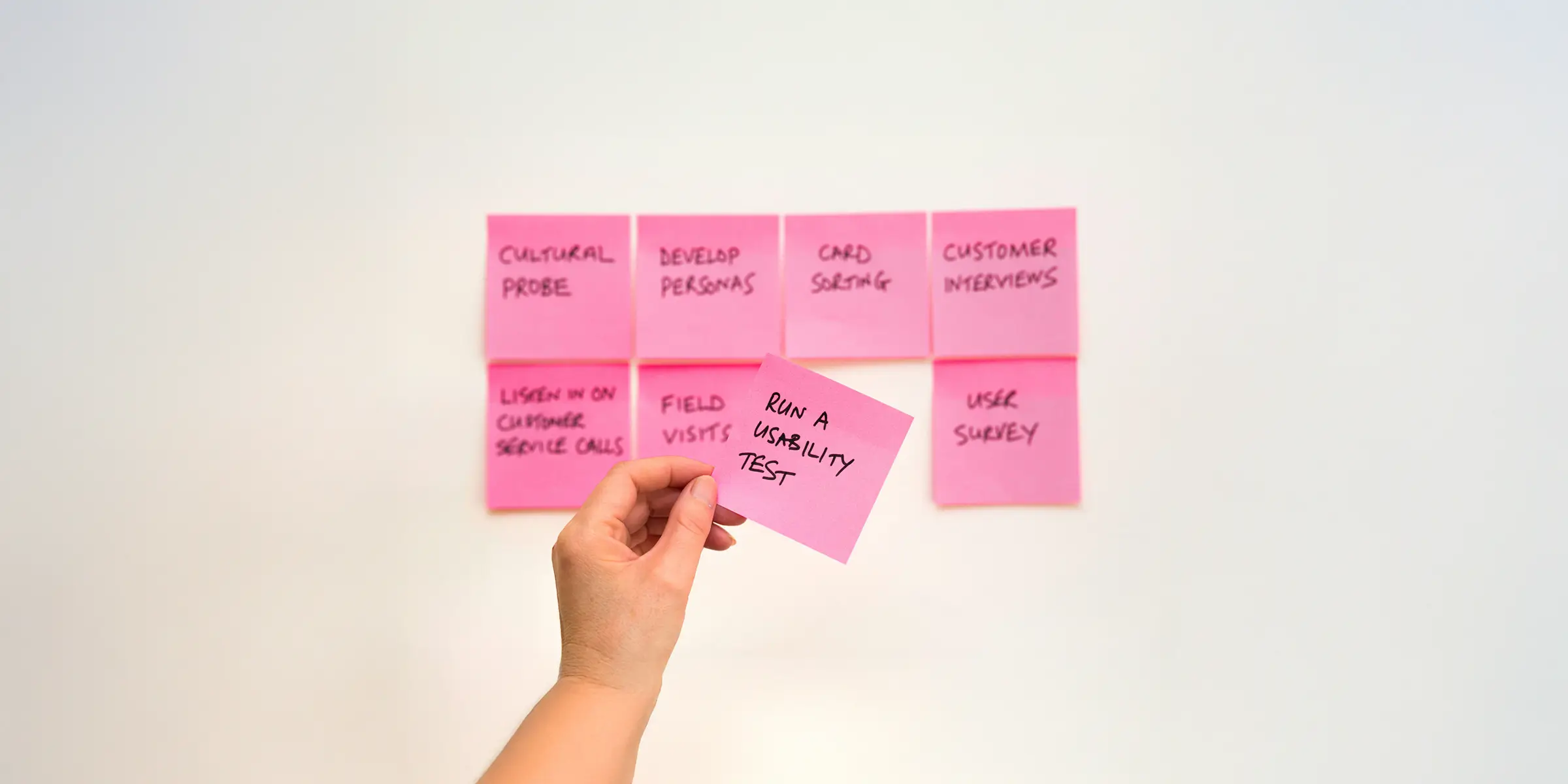
Testing an idea with real users?
As soon as we had something workable, we started testing.
We gave early users a track and a short explanation, then watched how they reacted. Some weren’t sure what to expect. A few assumed it was guided meditation. Others compared it to wellness apps they’d already tried. Most simply said it sounded like music.
That response told us something important. The core idea wasn’t failing, but the value wasn’t clear enough. If people didn’t know what they were meant to notice, they couldn’t tell us whether it was helping.
We adjusted the onboarding. We simplified how we explained the science. We gave users a reason to pay attention to how they felt before and after listening. Then we followed up properly.
The feedback began to change. People started describing differences in sleep, mood, and focus. Some mentioned specific tracks they returned to. One user told us they’d begun using it every night without prompting.
That was the shift we needed. Not just positive feedback, but emerging behaviour.
We kept the tests deliberately lightweight. Short sessions. Small tweaks to copy. Subtle changes to framing. We tested in real-world conditions, not lab-perfect environments. Over time, we found a way to describe the experience that felt intuitive and honest.
For me, sitting in those sessions mattered. It gave me something metrics never fully provide. A gut sense of what was landing, what felt forced, and where we needed to rethink our assumptions.
Testing isn’t about proving you’re right. It’s about learning fast enough to adjust before the stakes get higher.